They’re small, they’re spiky, and most people walking past a BC creek would never notice them. But once you know the story of the threespine stickleback (Gasterosteus aculeatus), it’s hard not to root for this remarkable little fish.

Here are five things you probably didn’t know about the threespine stickleback
1. Its spines are a built-in defence system
When a bigger fish or hungry bird chases one down, a stickleback doesn’t just swim away. It locks its sharp dorsal and pelvic spines upright, turning itself into a mouthful that nobody wants to deal with. Ouch!
Combined with its hard, bony armour, this simple but effective defence makes the stickleback difficult—and sometimes painful—for a predator to swallow.

2. Its mating ritual is a dance
Come breeding season, male sticklebacks in many populations transform. Their undersides flush bright red, their eyes turn a striking blue, and they get to work building nests out of plant material.
To hold the nest together, the male uses spiggin, a sticky protein produced by his kidneys. Once the nest is ready, he performs a rapid zigzag dance to catch a female’s attention and lead her inside to lay her eggs.
After fertilizing the eggs, he stands guard, fighting off predators and rival fish alike. He also fans water over the eggs to keep them oxygenated and continues defending the newly hatched young until they are ready to swim away.
3. Sticklebacks don’t come in just one version
Threespine sticklebacks can live in ponds, lakes, rivers, streams and coastal waters. Some populations remain in freshwater throughout their lives. Many marine sticklebacks are anadromous: like salmon—although on a much smaller scale—they spend much of their lives in salt water before migrating into freshwater to reproduce.
Zoom out even further and this same species turns up across much of the Northern Hemisphere, including coastal areas of Europe, Asia and North America.
With so many different habitats, it’s not surprising that sticklebacks come in many forms. Scientists have identified many distinct stickleback populations in BC. In its latest report, COSEWIC assessed 12 genetically and evolutionarily distinct groups, known as designatable units. These represent some of BC’s most unusual sticklebacks—not every population or form found in the province.
Some populations have grown noticeably larger over time. The giant threespine stickleback, found in two lakes on Haida Gwaii, averages more than 7.5 centimetres long—almost twice the length of the typical stream-form sticklebacks living nearby.
Others have lost many of their usual defences. Most unarmoured threespine sticklebacks have lost at least one spine, while their bony side plates may be reduced or entirely absent.
4. A few BC lakes hold something found nowhere else on Earth
In a small handful of BC lakes, two different forms of stickleback live side by side. The open-water form, known as the limnetic stickleback, feeds mainly on plankton. The bottom-dwelling form, known as the benthic stickleback, feeds on invertebrates along the lake bottom and shoreline.
Although they share the same lake, the two forms look and behave differently and rarely interbreed. Together, they are known as a benthic–limnetic species pair.
This exact setup has been documented in only five lakes, all located in southwestern BC, and nowhere else on the planet. Only three of those distinct pairs remain today. For scientists studying how populations diverge and eventually form new species, these lakes are the perfect case study.
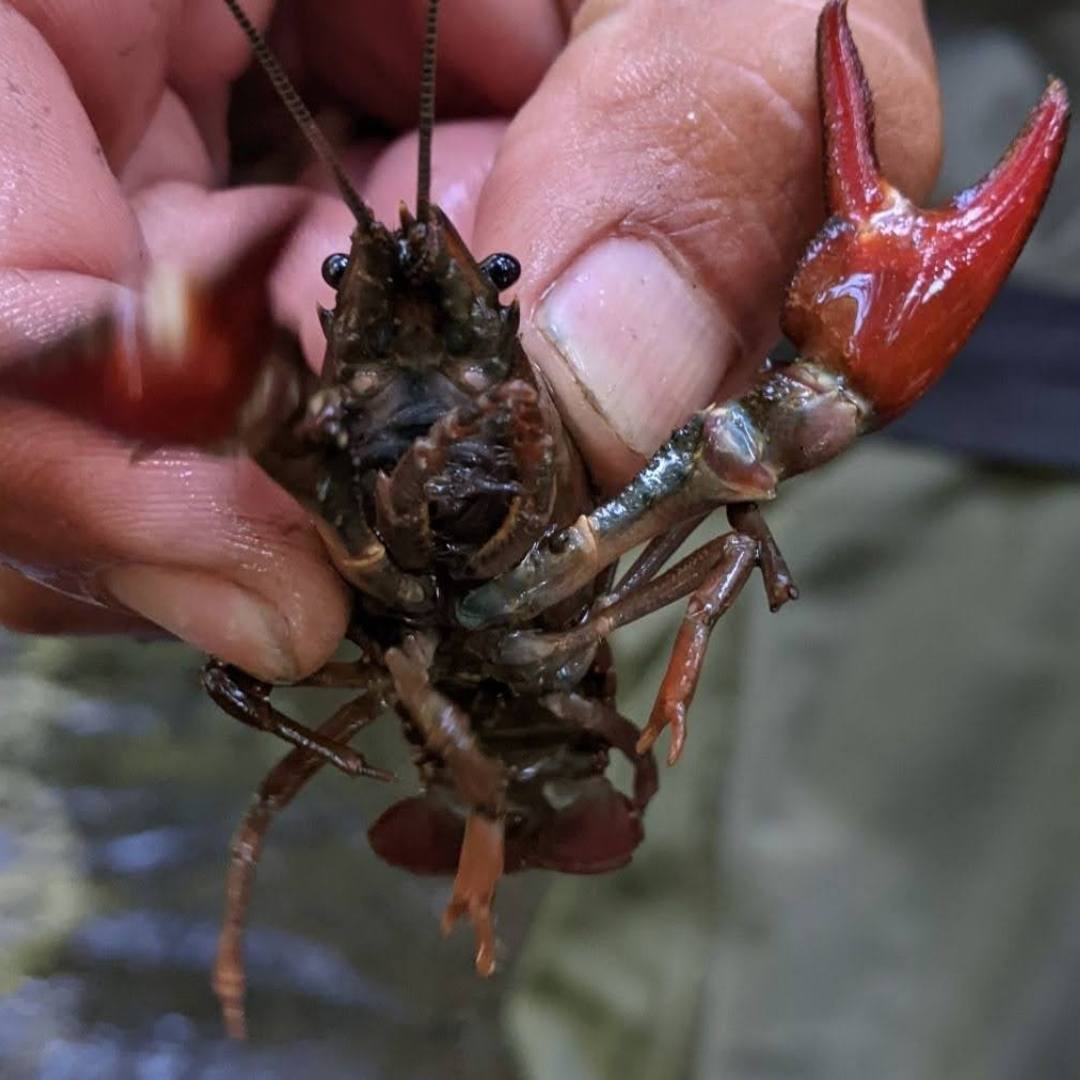
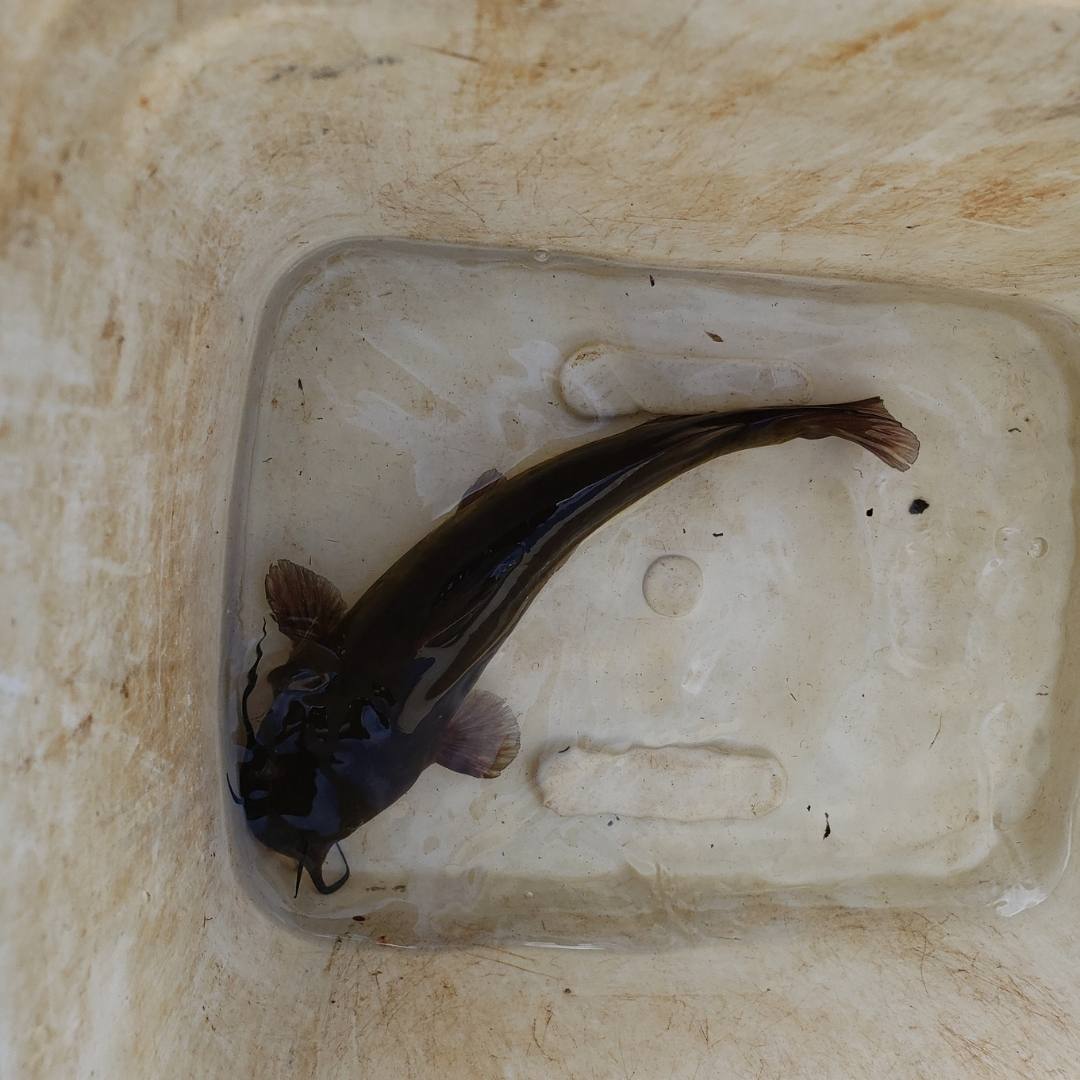
Signal crayfish (left) and brown bullhead (also called brown catfish), are predators of threespine stickleback
5. They need more than their spines to defend them
Many of BC’s unique threespine stickleback populations are now at risk. Of the 12 distinct groups assessed by COSEWIC, seven are endangered, two are threatened, two are extinct and one is considered a species of special concern.
The threats vary by population, but introduced invasive species are among the most serious. In Hadley Lake on Lasqueti Island, both the benthic and limnetic forms disappeared after brown bullhead (Ameiurus nebulosus) were introduced.
In Enos Lake, invasive American signal crayfish (Pacifastacus leniusculus) likely contributed to the loss of aquatic vegetation that helped keep the two forms apart. Eventually, the distinct benthic and limnetic sticklebacks collapsed into a single hybrid population.
Other populations face pressure from water withdrawals, major changes in lake levels and habitat disturbance associated with development, mining and forestry.
These fish aren’t just a curiosity. They’re food for coastal cutthroat trout and fish-eating birds such as loons, grebes, herons and mergansers. They also offer scientists a rare window into how animals adapt and new species form.
A handful of BC lakes hold stickleback populations found nowhere else on Earth, and some are already under serious pressure from invasive species and habitat disturbance. It’s a reminder that even the smallest residents of a watershed are worth defending.
💧💧💧
Take action for healthy waterways
CodeBlue BC is calling on the provincial government raise industrial water rates and reinvest in our watersheds. Send them a letter today.
