If you've ever waded into a clear creek in BC and felt something hard and oval half-buried in the gravel under your feet, you may have stepped right over one of the province's longest-living animals, a freshwater mussel called the western pearlshell (Margaritifera falcata).
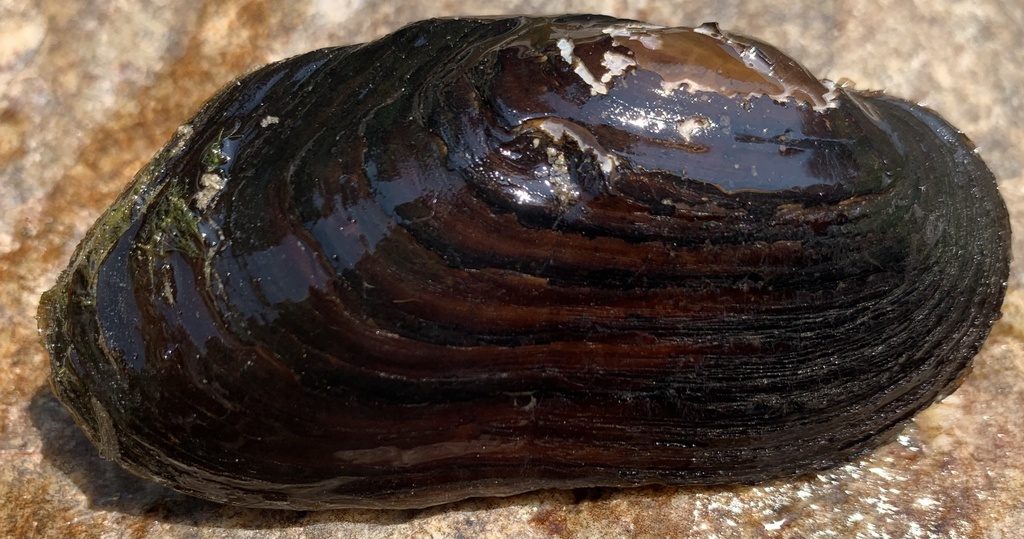
Credit: "western freshwater pearl mussel, western pearlshell, westliche flussperlmuschel" by mark-groeneveld is licensed under CC BY 4.0.
They don't swim, they don't make noise, and most people walk past thousands of them without ever knowing they're there. But these unassuming little filter feeders have been quietly holding BC's rivers together for longer than most of our cities have existed.
Here are 5 things you probably didn't know about freshwater mussels
1. Some of them were already settled in when the Lions Gate Bridge opened
The western pearlshell can live more than 100 years, one of the longest lifespans of any animal on the planet. A mussel that settled into a BC riverbed back in 1938, the same year the Lions Gate Bridge opened in Vancouver, could still be sitting in that exact same stretch of gravel today.
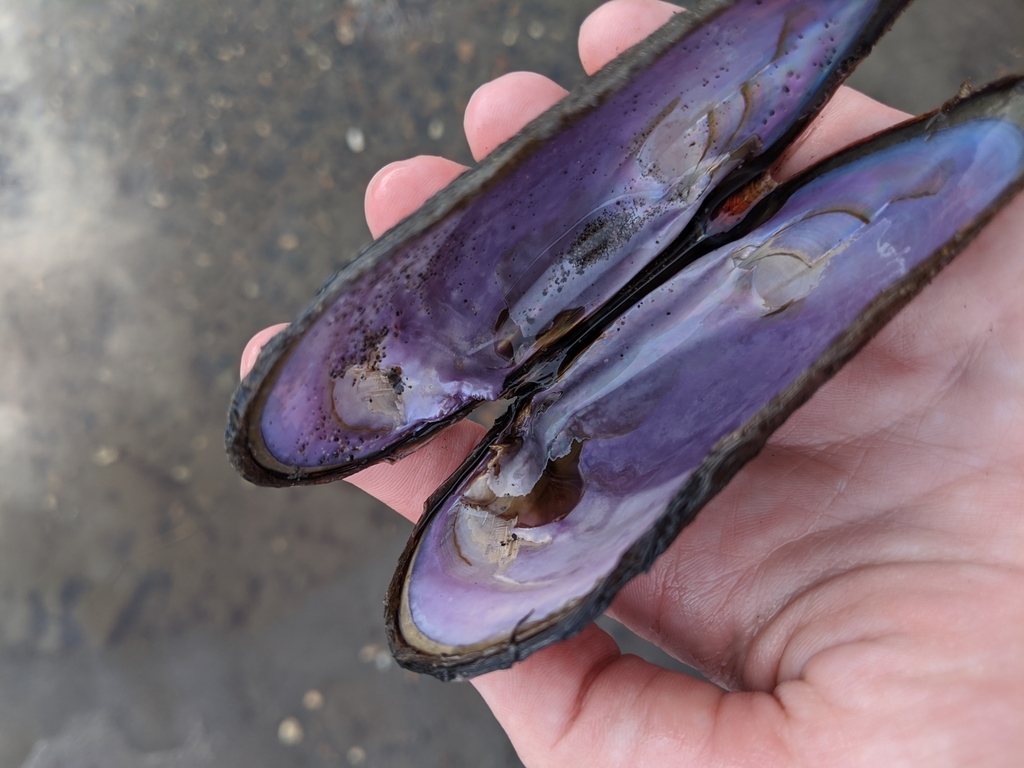
Credit: "western freshwater pearl mussel, western pearlshell, westliche flussperlmuschel" by Alexandria 'Alex' Wenninger is licensed under CC BY 4.0.
2. They're nature's water treatment plant
Freshwater mussels filter suspended solids, nutrients, and contaminants out of the water as they feed. A healthy mussel bed, with hundreds or thousands packed into a stretch of river, works around the clock for free, quietly improving water clarity for everything downstream. Over a lifetime, most barely move at all, staying within a couple of metres of the spot where they first settled.
3. They once hitched a ride across the Continental Divide
Western pearlshell larvae can't grow up without first attaching to the gills of a host fish, usually a salmon or trout, for several weeks. That relationship runs deep: scientists believe the species crossed the Rocky Mountains into the headwaters of the Missouri River tens of thousands of years ago by riding along on migrating cutthroat trout. It's still the only way this mussel gets anywhere in its entire life.
4. The neighbourhood's most vigilant water witness
Because they stay in one place for decades and are so sensitive to water quality, mussels are essentially a living record of a stream's health. A thriving mussel bed usually means clean, cold, stable water. A dying one is often the first sign that something upstream, whether it's pollution, warming water, or a blocked fish passage, is going wrong long before anyone notices.
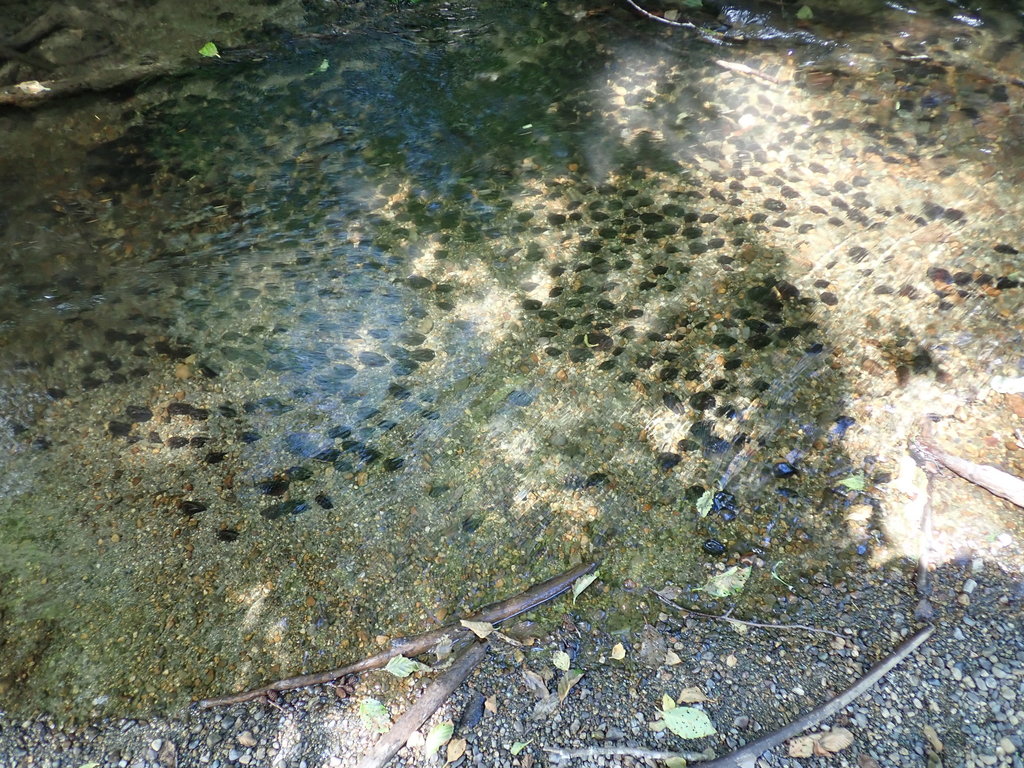
Credit: "western freshwater pearl mussel, western pearlshell, westliche flussperlmuschel" by Randal is marked with CC0 1.0.
5. They're doing better in BC than almost anywhere else
Across much of the western US, this mussel has disappeared from major rivers entirely, wiped out by dams and water diversions. BC is doing better. Provincially, the western pearlshell is still considered secure, and in the right conditions a single stretch of stream can hold hundreds of mussels per square yard, dense enough to carpet the bottom completely. This is what happens when a watershed is in a healthy state. Keeping it that way means defending the cold, clean, free-flowing rivers this species, and plenty of others, depend on.
💧💧💧
Take action for healthy waterways
CodeBlue BC is calling on the provincial government raise industrial water rates and reinvest in our watersheds. Send them a letter today.
