A common response to water restrictions in BC is that the government simply needs to build or upgrade reservoirs and water pipelines. Water infrastructure does need modernizing in many parts of BC, but that only addresses one side of the problem: supply. We can't afford to forget about demand and, more importantly, replenishment.

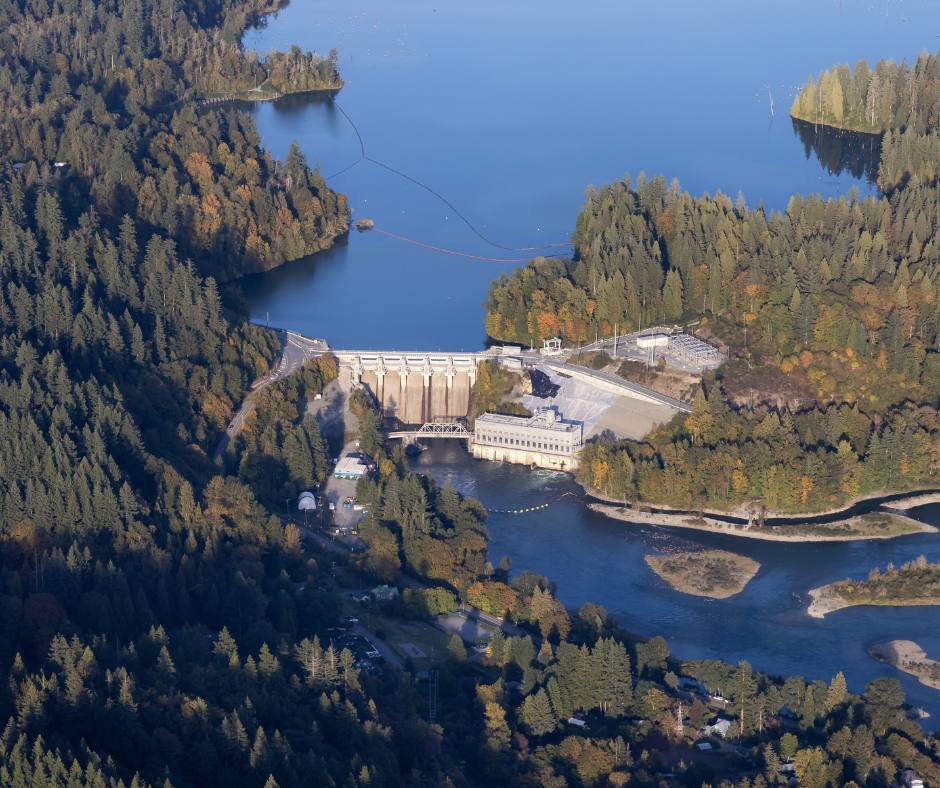
Hayward Lake Reservoir
Our Watershed Bank Accounts
Think of your local watershed like a bank account. The chequing account is the water we source from daily: rivers, lakes, wetlands, snowpack, and water stored in the soil. The short-term savings is our snowpack. It gets us through those summer months when we need more water. The long-term savings is the aquifers and glaciers built up over centuries. Every farm, every tap, every industrial operation makes withdrawals from these sources.
We need to spend wisely and keep making deposits. Reservoir expansion without watershed restoration just draws down a shrinking account faster.
The Balance Is Dropping
BC likes to think of itself as water-rich. And generally, we are. But our chequing and savings accounts are shrinking. Approximately 63.8% of BC’s population lives in water-stressed areas. 70% of the Lower Fraser’s wetlands that once held water through summer have been drained, ditched, or paved over. BC’s glaciers are receding rapidly. Forests that once held lots of water in the soil and buffered the spring snowmelt have been severely degraded by clearcutting and replaced by tree plantations. The 2026 snowpack was well below normal across much of southern BC. Some rivers are running dry much earlier than normal.

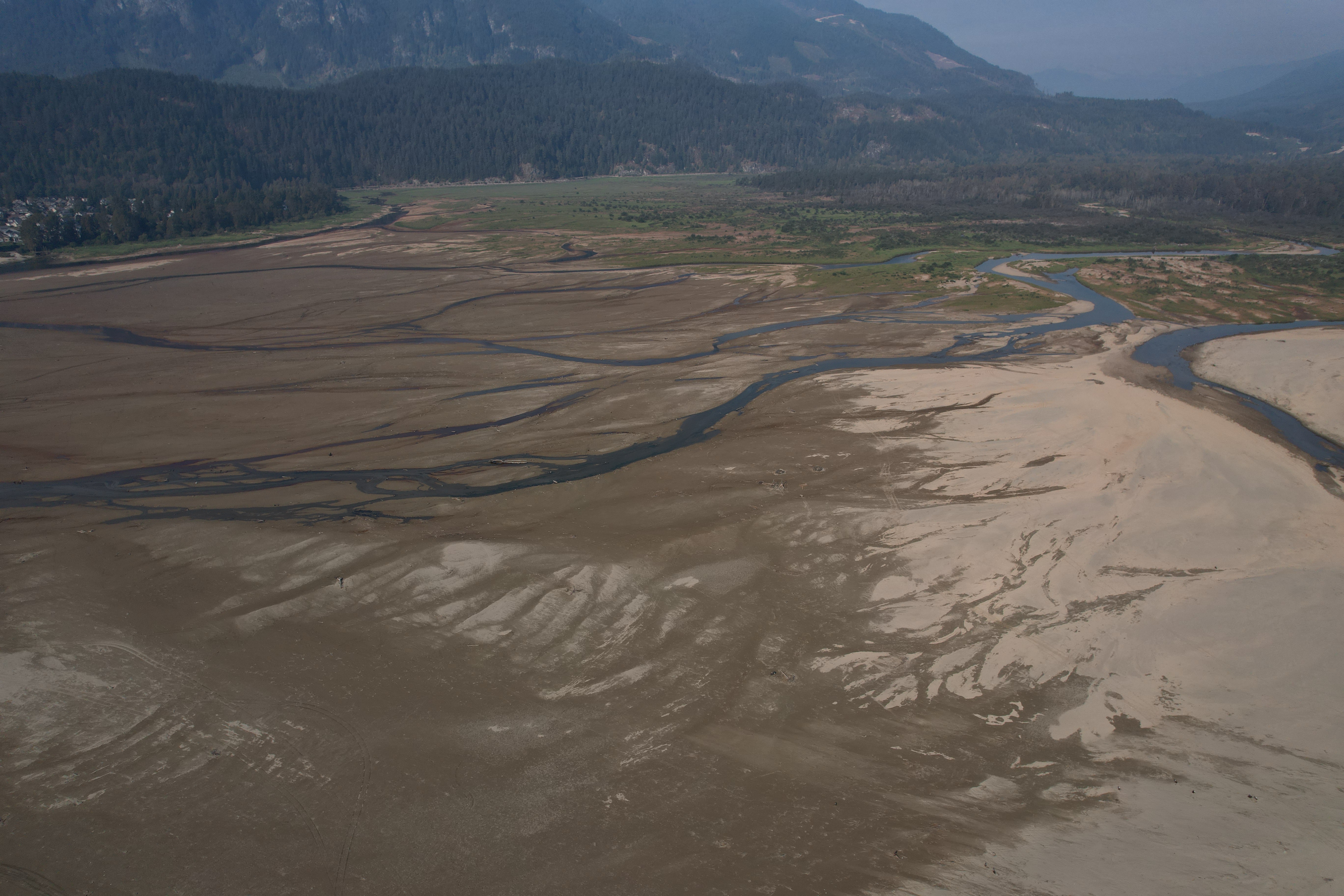
Drought in Harrison Mills
That means even when it rains all winter, our watersheds can no longer store and slowly release water the way they once did. Pavement keeps water out of aquifers. Drainage ditches rush water off the land and into rivers and the ocean instead of letting it seep into the soil. Industry pollutes millions of litres of water, strips mountainsides bare, and drains wetlands that took centuries to form. The water cycle is more complicated than that diagram from elementary school. It is possible to run out of water locally. You need not look farther than the Sunshine Coast to see a community that has seriously struggled with water scarcity in recent years.
And running out hits some British Columbians much harder than others. Metro Vancouver and Greater Victoria both benefit from secured watersheds where logging, mining, and industrial activity are restricted to safeguard drinking water. Most small towns and rural communities across BC have no such protection. Their drinking water sources are directly exposed to industrial activity happening upstream. Defending drinking water at the source is far cheaper than treating it after the damage is done. Right now, that protection is a privilege extended only to BC's largest cities.
If we fail to address watershed degradation, and our governments only find ways to draw more from our water accounts while ignoring replenishment, more communities are going to go broke.
Watersheds Are Infrastructure
Improving water efficiency is important. Drip irrigation for agriculture, water metering for municipalities, and enforcing meaningful conservation requirements for major industrial users are all good ideas that will only matter more as BC's population and economy grow.
But replenishment is what keeps the whole system solvent. This means treating watersheds as critical infrastructure. Healthy forests capture and slowly release water through deep root systems, seasonal creeks, and natural springs. Wetlands recharge groundwater and aquifers. Intact floodplains with connected side channels slow runoff and store the water in the gravel and sediment beneath and beside rivers. These are not nice-to-haves. This is how we refill our chequing and savings accounts and ensure safe and abundant water for all British Columbians. Not to mention, it’s also how we provide enough water for salmon that feed our wildlife and provide us with a source of local, healthy food.
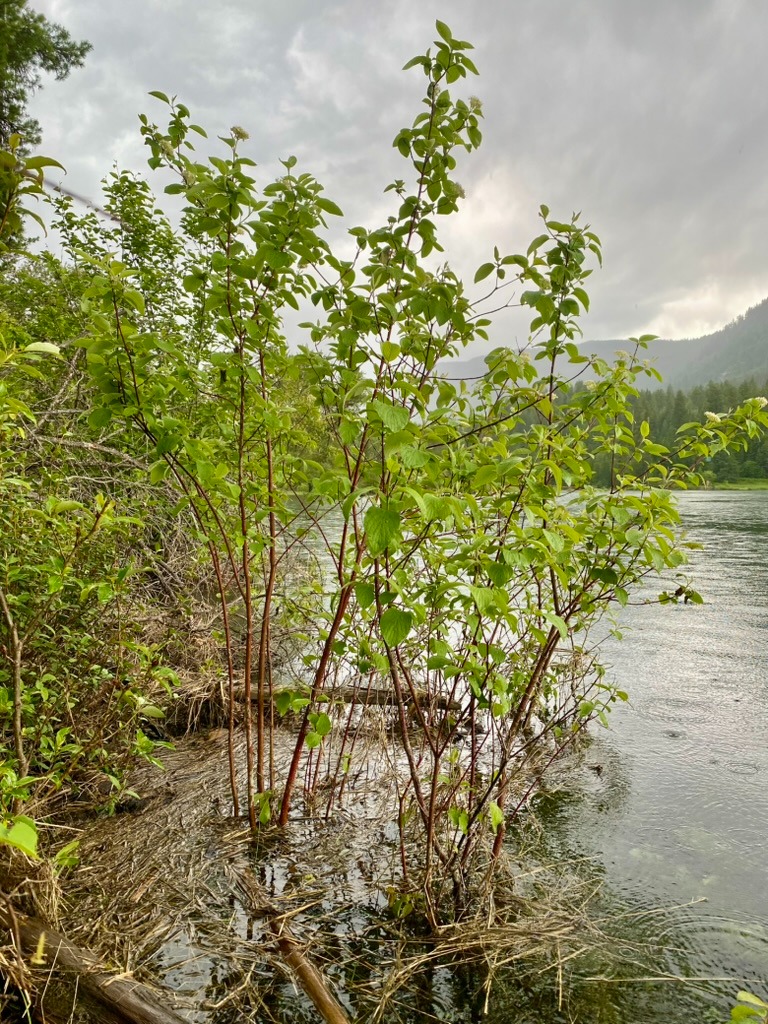
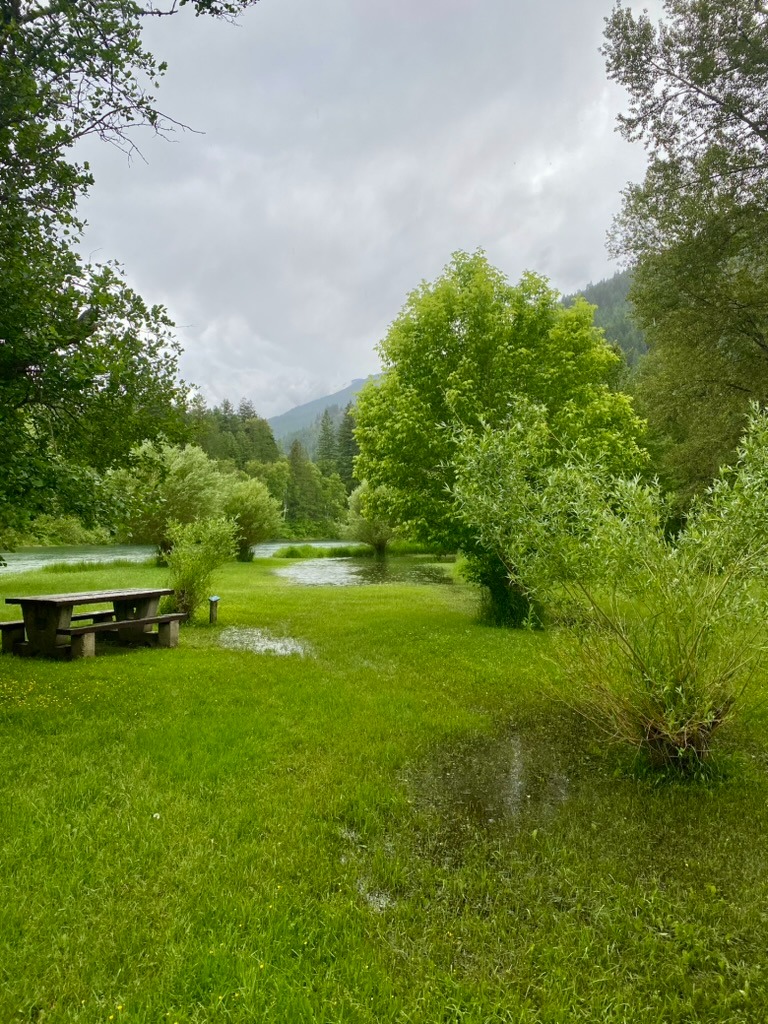
Left, Red-osier Dogwood preventing stream bank erosion during freshet along the Slocan River. Right, Flood water being soaked up by willow trees in Winlaw Nature Park, BC.
BC’s watersheds have been changed at an industrial scale over decades through the cumulative impacts of mining, logging, oil and gas extraction, agriculture and urban expansion. That means we have to restore watershed functions to match our withdrawals and replenish our water bank accounts. Since so many landscapes have lost the ability to hold water on the land, restoring wetlands is one way to restore a critical function in a watershed. The BC Wildlife Federation’s Watershed Team has restored 100 wetlands across BC. First Nations and local stewardship groups have helped restore creeks and wetlands at hundreds of locations through programs like the BC Watershed Security Fund and the Healthy Watersheds Initiative. But there are thousands more projects that still need doing. This kind of work creates local jobs, habitat for wildlife and captures water so that groundwater reserves can be recharged.
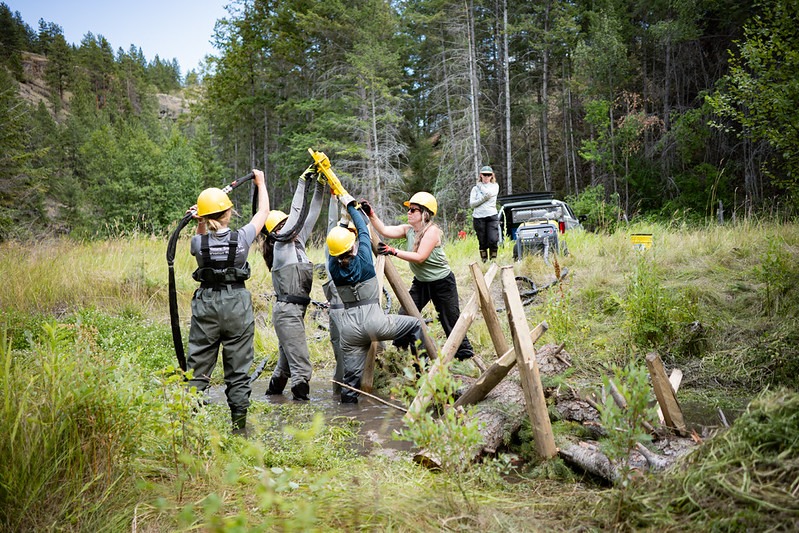
BCWF Watershed Team, Photo by Jamie Long, BCWF Conservation Stewardship Communications Coordinator
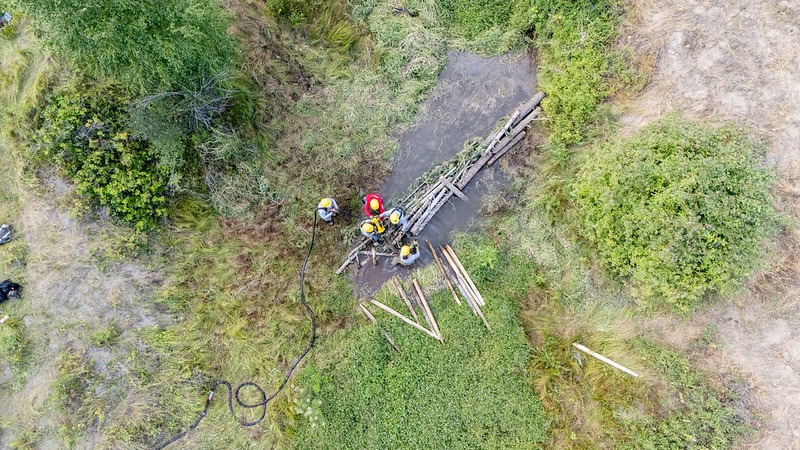
BCWF Watershed Team, Photo by Jamie Long, BCWF Conservation Stewardship Communications Coordinator
Focussing on replenishing our water accounts is the fiscally responsible thing to do. Careless spending and not topping up our accounts is how BC becomes water-bankrupt. Restoring our watershed infrastructure is how we make sure every community in BC has clean water, now and for the next generation.
